

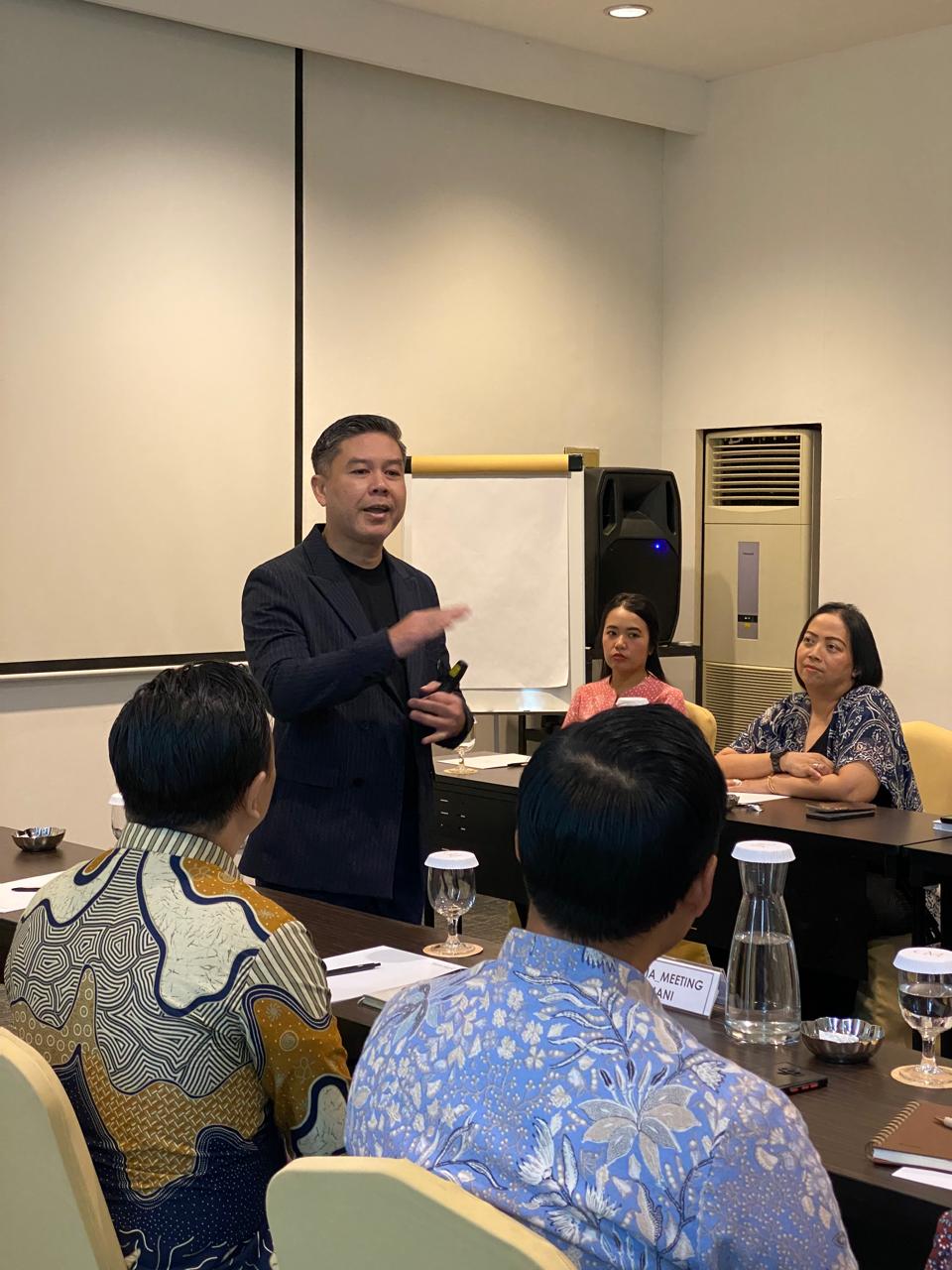
Hotel Team Development Training: Building a Strong Team During Busy Hotel Operations
When a hotel is busy, small issues can quickly turn into major problems. Front Office may be handling urgent guest requests, Housekeeping may still be working to prepare rooms, Engineering may be dealing with technical issues, while F&B is preparing for an event. In situations like these, service problems do not always happen because someone lacks the skills to do their job. Often, the real issue is how well the team communicates and works together.
This is why Hotel Team Development Training should go beyond traditional team-building activities. From a guest’s perspective, Front Office, Housekeeping, F&B, Engineering, and other departments are not separate units. They are one hotel team.
When Service Problems Start with Teamwork
Imagine a guest arrives early, but their room is not ready. Front Office needs to coordinate with Housekeeping. If there is a technical issue, Engineering may also need to get involved. When information is delayed, incomplete, or misunderstood, a simple situation can quickly become complicated. The same can happen when a guest’s special request is not communicated properly, a shift handover misses important details, or an event plan suddenly changes. These issues cannot always be solved by adding more SOPs. Teams also need strong communication, coordination, problem-solving, and ownership skills.
Team Building vs. Team Development
Team building can help strengthen relationships, trust, and interaction among employees. These are important foundations, but team development goes further. A team development program can address how employees communicate information, handle conflict, make decisions, conduct effective handovers, collaborate across departments, and take ownership of the overall outcome. In other words, team building can be part of team development, but team development does not end when the team-building activity is over.
Key Competencies to Develop
A hotel team development program can focus on several essential capabilities:
- Communication: Communicating information, priorities, and changes clearly.
- Handover: Making sure important information is not lost during shift changes.
- Cross-department collaboration: Moving away from the mindset of “that’s not my job.”
- Problem-solving: Finding practical solutions when situations do not go according to plan.
- Accountability: Understanding personal responsibility for the overall guest experience.
- Conflict management: Handling differences of opinion without disrupting operations.
- Leadership: Taking ownership and making decisions when the situation requires it.
Training Should Reflect Real Hotel Operations
Training becomes more meaningful when participants work through situations they are likely to encounter on the job.
For example, participants could be given a high-occupancy scenario: the hotel is fully booked, a VIP guest arrives early, several rooms are not ready, and a guest complaint comes in at the same time. The team must decide who needs to be informed, how the issue should be escalated, which departments need to be involved, and what should be prioritized.
The trainer can then lead a debrief to identify what worked, where communication broke down, and how the lessons can be applied to everyday operations.
Measure the Impact After Training
Effective training should not simply leave participants feeling motivated at the end of the day. Management should also look for changes once employees return to their daily responsibilities.
Possible indicators include the quality of shift handovers, speed of issue escalation, cross-department coordination, complaint resolution, and consistency in daily briefings.
For this reason, the program should end with a clear action plan. Participants identify which behaviors they will change, what the team needs to improve, and how progress will be monitored.
FAQ
1. What is Hotel Team Development Training?
It is a hotel team development program designed to strengthen communication, collaboration, problem-solving, leadership, and cross-department coordination.
2. What is the difference between team building and team development?
Team building focuses primarily on relationships, trust, and team bonding, while team development focuses more broadly on improving behaviors, collaboration, and team effectiveness.
3. Who should attend the training?
Staff, supervisors, managers, or a combination of different levels can participate, depending on the hotel’s objectives and the challenges it wants to address.
Build a Team That Works as One System
A strong hotel is not simply one with competent employees. It is a hotel where people know how to support one another when operational pressure increases. If your hotel is facing challenges with communication, handovers, cross-department coordination, leadership, or service consistency, Hotel Team Development Training can be tailored to the real needs of your team.
Discuss your hotel training needs and find the team development format that best fits your operation.
Read also : Convention Management Services, Professionally Managing Complex Conventions
Hotel Team Development Training
